鏡頭之外
鏡頭之外
鏡頭之外
視覺海報設計精選集 / Visual Poster Design Collection
視覺海報設計精選集 / Visual Poster Design Collection
Visual Design
Visual Design
Digital Imaging
Digital Imaging
Year
Year
Year
2022
2022
2022
Tool
Tool
Tool
Photoshop
Photoshop
Photoshop
Team Number
Team Number
Team Number
1
1
1
Role
Role
Role
Visual Designer
Visual Designer
Visual Designer
( overview )
( overview )
( overview )
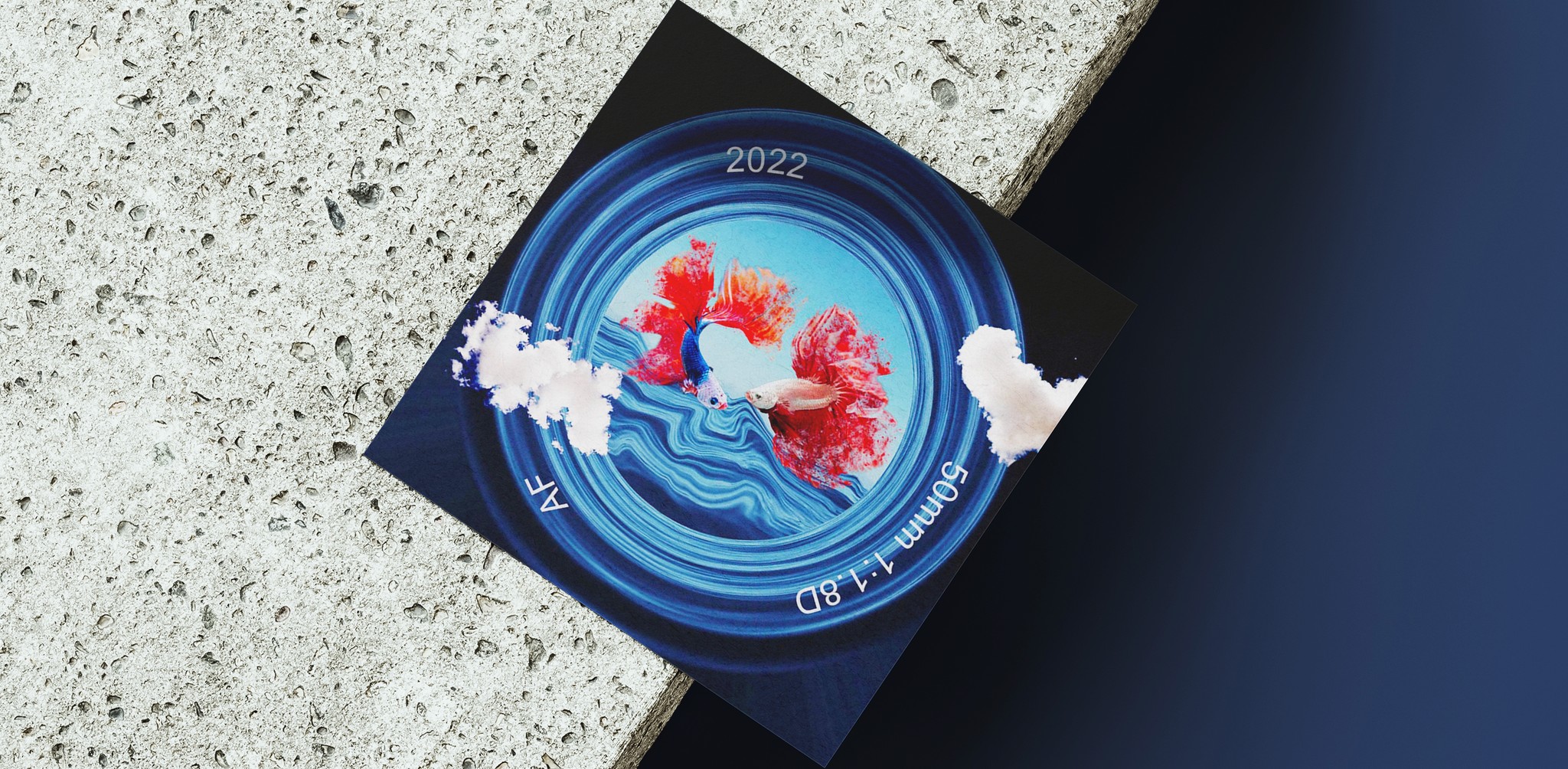
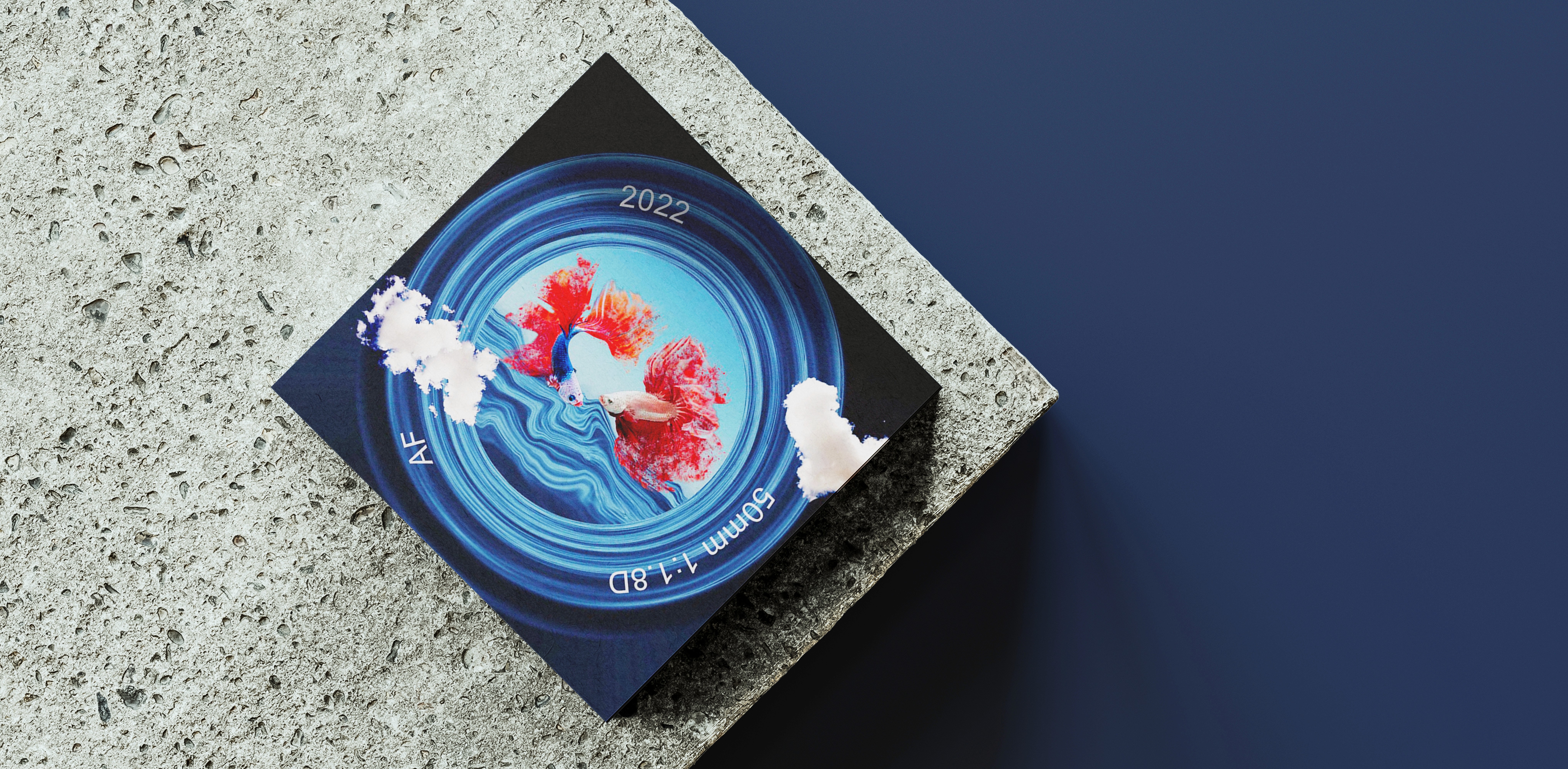
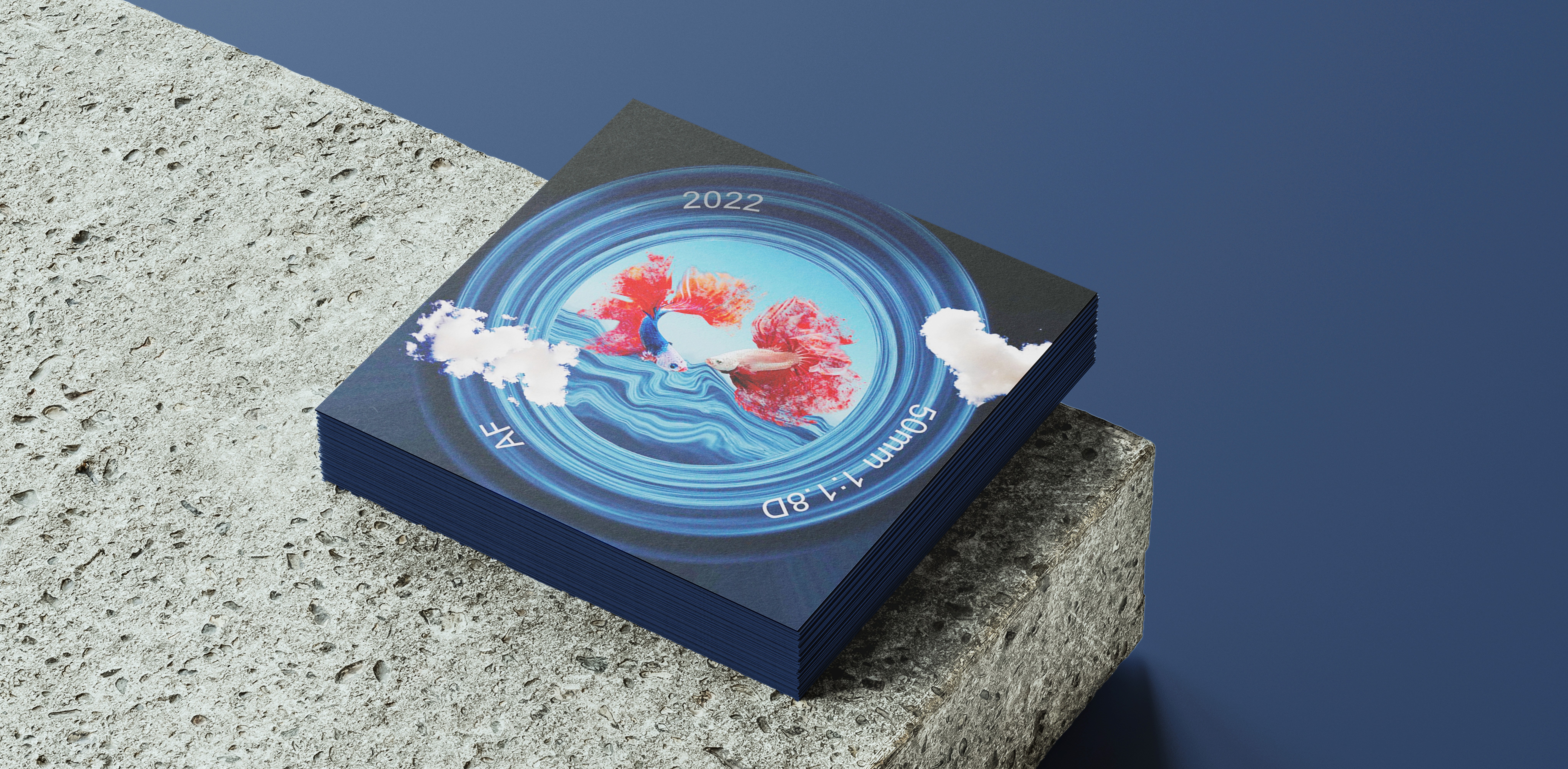
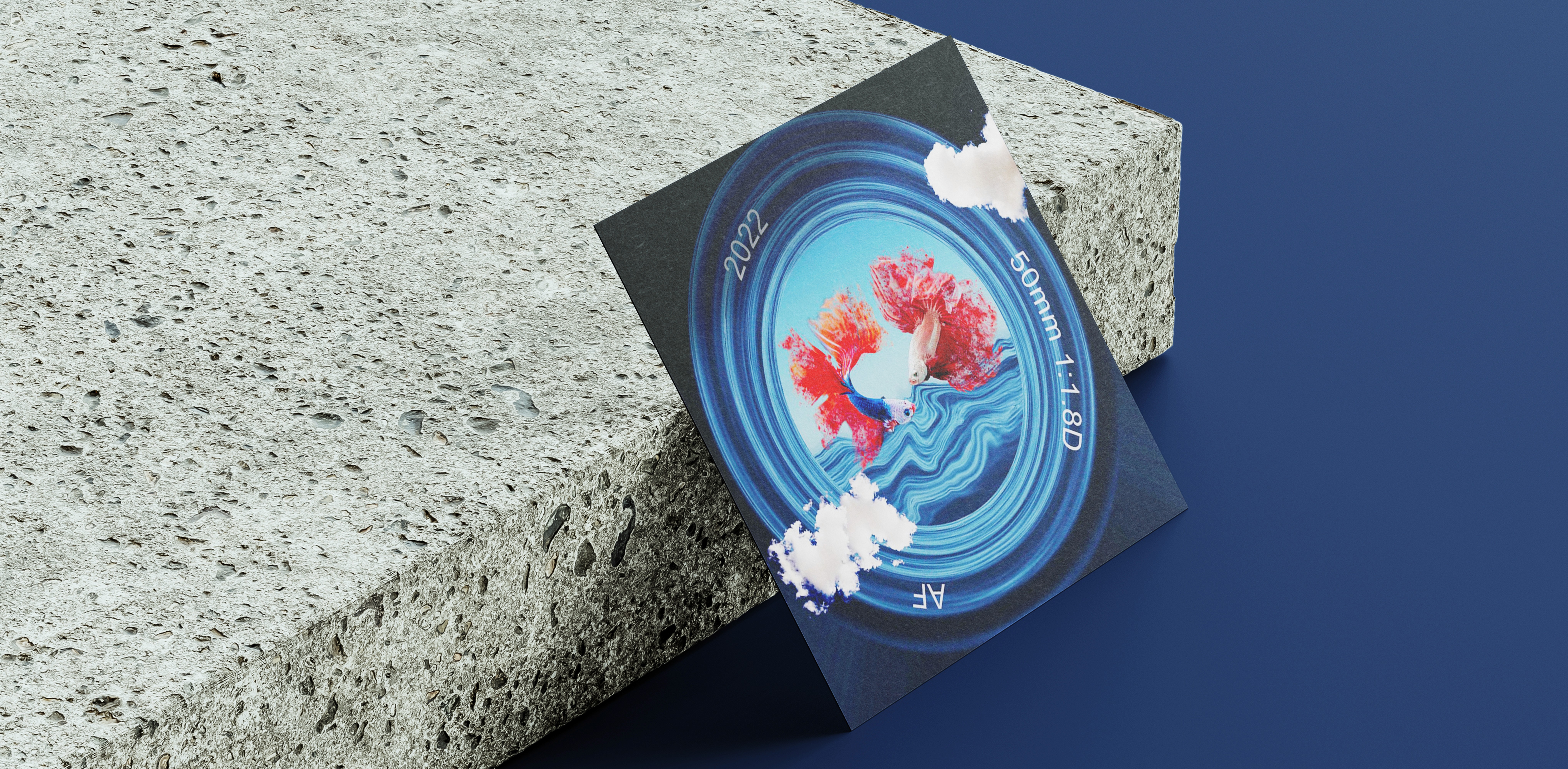
This piece uses the camera lens as a central metaphor, symbolizing the boundary between seeing, interpreting, and being seen. The fish, which naturally belong in the open, flowing sea, are instead trapped within the confines of a lens—representing the so-called “third-person perspective.” Within this frame, the ocean is no longer organic but distorted into unnatural waves, reflecting how truth is often reshaped in the process of being observed and recorded. The two fish are positioned in opposition, symbolizing conflict and fragmentation brought on by bias and misunderstanding. The stark contrast between red and blue intensifies this emotional tension, emphasizing the duality of perception. By constructing a visual distance between the real and the unreal, the composition invites viewers to question: Is what we see truly reality, or merely fragments carefully curated through the lens?
This piece uses the camera lens as a central metaphor, symbolizing the boundary between seeing, interpreting, and being seen. The fish, which naturally belong in the open, flowing sea, are instead trapped within the confines of a lens—representing the so-called “third-person perspective.” Within this frame, the ocean is no longer organic but distorted into unnatural waves, reflecting how truth is often reshaped in the process of being observed and recorded. The two fish are positioned in opposition, symbolizing conflict and fragmentation brought on by bias and misunderstanding. The stark contrast between red and blue intensifies this emotional tension, emphasizing the duality of perception. By constructing a visual distance between the real and the unreal, the composition invites viewers to question: Is what we see truly reality, or merely fragments carefully curated through the lens?
This piece uses the camera lens as a central metaphor, symbolizing the boundary between seeing, interpreting, and being seen. The fish, which naturally belong in the open, flowing sea, are instead trapped within the confines of a lens—representing the so-called “third-person perspective.” Within this frame, the ocean is no longer organic but distorted into unnatural waves, reflecting how truth is often reshaped in the process of being observed and recorded. The two fish are positioned in opposition, symbolizing conflict and fragmentation brought on by bias and misunderstanding. The stark contrast between red and blue intensifies this emotional tension, emphasizing the duality of perception. By constructing a visual distance between the real and the unreal, the composition invites viewers to question: Is what we see truly reality, or merely fragments carefully curated through the lens?
以相機鏡頭作為主體隱喻,象徵觀看、詮釋與被觀看的界線。畫面中的魚原本應棲息於自由流動的海中,卻被困於一只象徵「第三視角」的鏡頭框架之中,在鏡頭裡,海洋不再自然,而是被扭曲成不規則的波紋,映射出真相在被觀看與被記錄的過程中早已變形。 兩條魚不僅呈現對峙姿態,也象徵在偏見與誤解下的對立與破碎,紅藍對比色調進一步強化衝突與情緒張力。 畫面構圖在虛與實之間建立一層距離,意圖讓觀者反思:我們所見之「真實」,究竟是真相,還是透過鏡頭被選擇過的片段?
以相機鏡頭作為主體隱喻,象徵觀看、詮釋與被觀看的界線。畫面中的魚原本應棲息於自由流動的海中,卻被困於一只象徵「第三視角」的鏡頭框架之中,在鏡頭裡,海洋不再自然,而是被扭曲成不規則的波紋,映射出真相在被觀看與被記錄的過程中早已變形。 兩條魚不僅呈現對峙姿態,也象徵在偏見與誤解下的對立與破碎,紅藍對比色調進一步強化衝突與情緒張力。 畫面構圖在虛與實之間建立一層距離,意圖讓觀者反思:我們所見之「真實」,究竟是真相,還是透過鏡頭被選擇過的片段?
( more works )
( more works )
( more works )
View All
View All
View All